Professor Michelle Caswell and UCLA IS alumna Anna Robinson-Sweet honored by the Oral History Association for the top article of 2026.
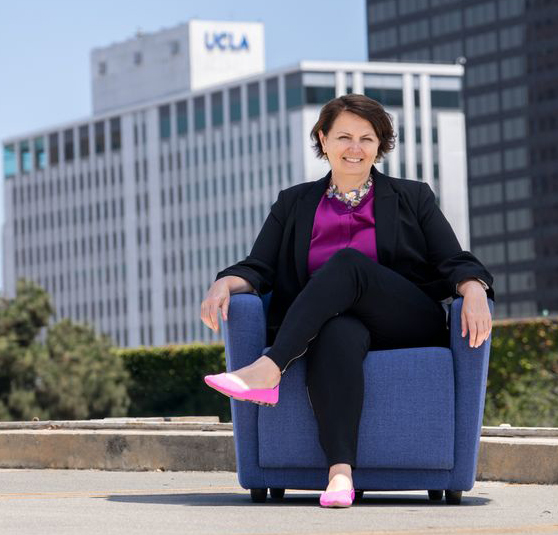
“Paying it Forward: The Prefigurative Politics of Record Creation,” was selected as the winner of the 2026 OHA Article Award by the Oral History Association. Co-written by UCLA Professor of Information Studies Michelle Caswell and UCLA IS alumna Anna Robinson-Sweet, the article delineates how creators of community archives imagine the future use and users of those records to bring about a sense of belonging, empathy for their communities, and the potential for activism and advocacy. Robinson-Sweet is the lead author of the article and currently a postdoctoral fellow at the University of Toronto’s Public History Lab. Professor Caswell serves as the Special Advisor on Community Engaged Scholarship to UCLA’s Executive Vice Chancellor/Provost Darnell Hunt.
The article is part of a project, “Virtual Belonging,” a partnership between the UCLA Community Archives Lab, the After Violence Project, and the South Asian American Digital Archive (SAADA), that arose out of the need for archivists to conduct Zoom interviews of their subjects during the COVID-19 pandemic. Caswell and Robinson-Sweet helped to create a virtual toolkit for record creators and archivists to use, as Caswell notes “create archives that center care for your communities in every aspect of the work that you do.
“Every single archival decision can either reflect deep commitment to caring for the community and the most vulnerable within their respective communities,” says Professor Caswell. “The flip side of that is that these decisions could be made in ways that actually produce harm or create harm within the communities. These were different communities that are served and represented by these two archives, but at the heart is care, and how you can use archives to care for your community members.”
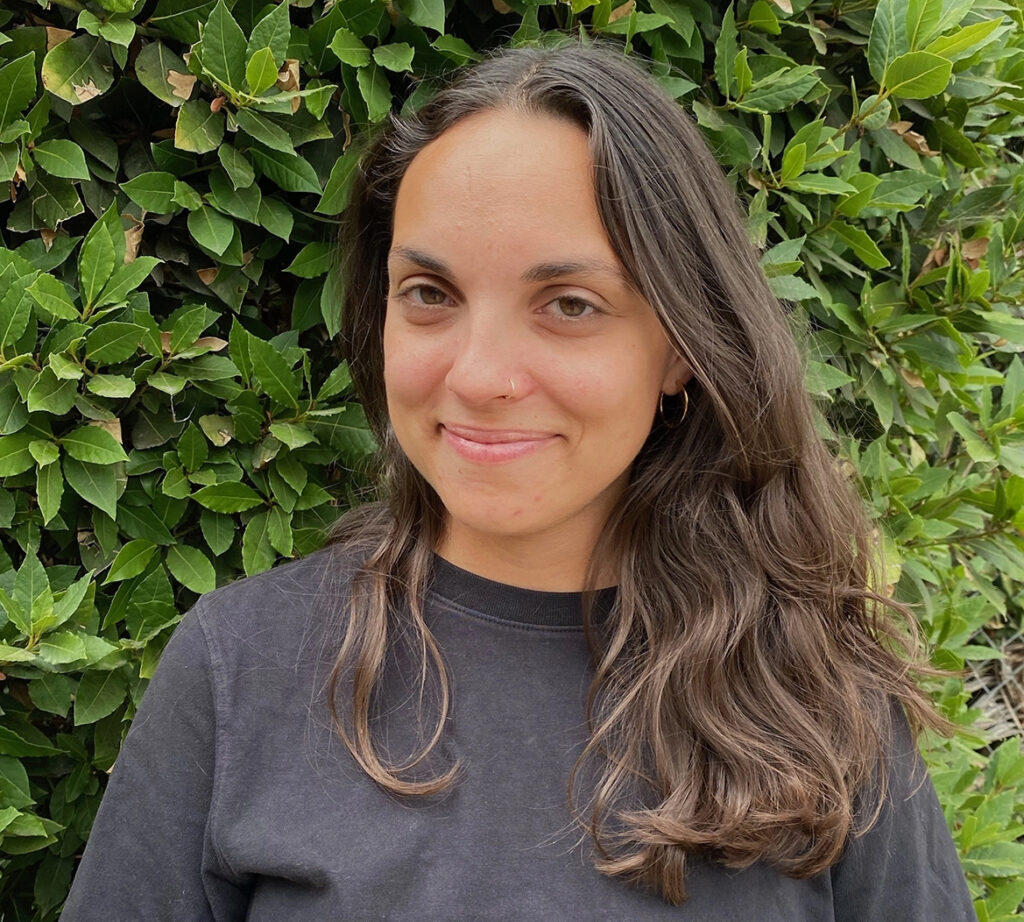
While a graduate student researcher at UCLA, Robinson-Sweet spoke with formerly incarcerated people and their families, enacting prefigurative record creation, a term Robinson-Sweet used to describe how participants enacted the future they imagine for their communities by sharing their story in the present. She asked oral history narrators questions about their motivations to share their stories and found that they had very sophisticated conceptions about who might hear them and the outcomes they envisioned. They also stated that being interviewed by community members with similar experiences mattered.
Many participants in the study stated that they preferred being interviewed via Zoom.
“Many people, particularly from vulnerable communities, preferred being able to Zoom from the comfort of their home or in places where they can control the environment.,” said Caswell. “Also, the screen created what we called a productive emotional distance. Narrators said they could share really difficult stories about their past but because there was a screen mediating the interaction, it affected them less emotionally to tell the story or it didn’t re-traumatize them as much as if they were doing it in-person.”
Caswell, who co-founded SAADA in 2008 with its executive director Samip Mallick, says that she is “really proud of the relationships the project reflects, from collaboratively determining the research questions, to analyzing data and producing useful scholarship, this is community-driven research from start to finish.” She notes that despite the differences in focus between the After Violence Project and SAADA, there was an overlap in their concerns, including maintaining independence, articulating the value of oral histories and memory work to communities that may have other immediate priorities, and accomplishing their goals on a limited budget.
“Even though there are two authors listed on this article, there is a whole community behind it, both the organizational staff themselves and those organizations’ communities as well, which has been really great to see,” says Professor Caswell.
Visit this link to read “Paying it Forward: The Prefigurative Politics of Record Creation.”