
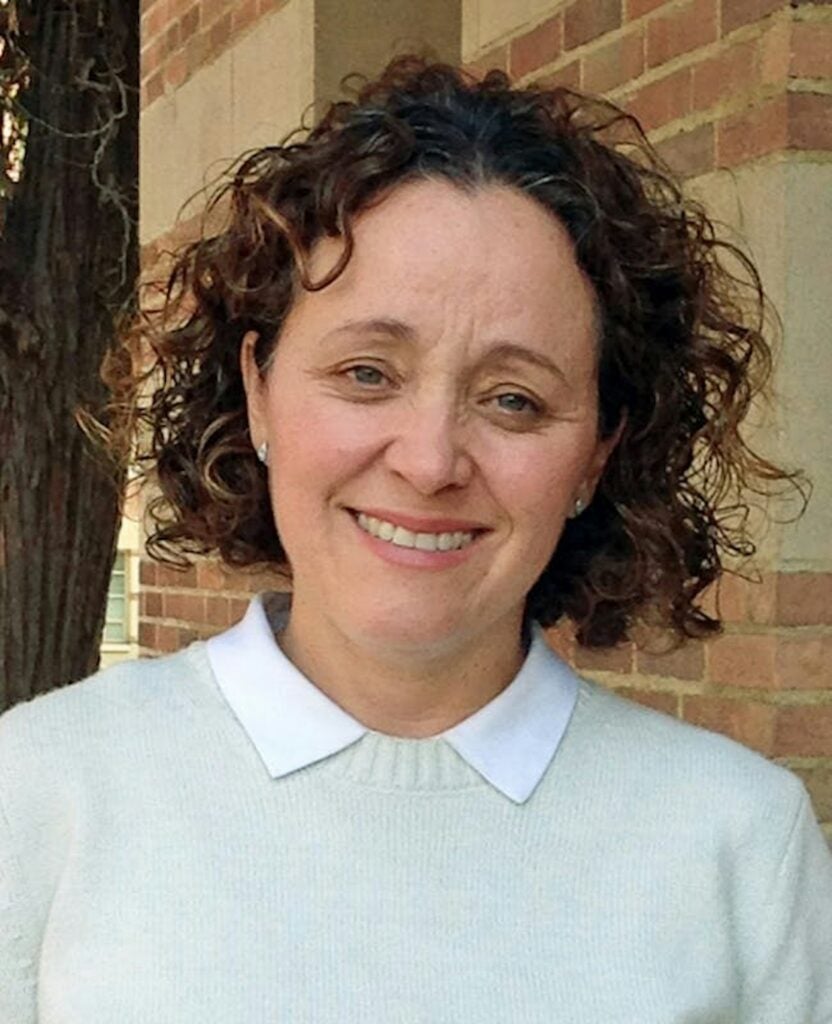
A new research brief by Lucrecia Santibañez, a professor of education at the UCLA School of Education & Information Studies reports that California’s bilingual-pay premium is real and rising, but rare, raising concerns for the needed expansion of California’s bilingual teaching workforce.
The research finds that while the cost of obtaining a Bilingual Authorization (BILA) is often cited as a barrier to building a robust teacher pipeline, teachers working in districts that offer bonuses can recoup that cost relatively quickly. However, only about 1 in 4 California districts pay one.
“While the availability of the BILA is improving and the size of the bonus seems adequate, the reality is that most teachers with a bilingual authorization still get nothing,” says Santibañez. A majority still work in school districts where the authorization earns no premium at all.”
Key Among the findings:
- Just over one-quarter of school districts pay any bilingual bonus (2023–24). By comparison, about two-thirds of school districts offer a bonus for a master’s degree.
- Where offered, the median annual bonus for BILA was about $1,500. It takes teachers one to three years to recoup the $400–$4,500 BILA cost from that annual bonus (some districts like LAUSD offer bilingual authorizations at no cost to already credentialed teachers).
- More districts are offering a bilingual bonus. Coverage climbed steadily from 2015–16 to 2024–25.
- The BILA bonus is a big-district benefit. The largest districts are more than four times as likely to pay as the smallest.
“Increasing the number of districts offering BILA bonuses could strengthen the pipeline and probably improve teacher retention, but more research is needed to understand its effects across the state on recruiting new bilingual teachers and retaining current ones,” Santibañez concludes.
The full research brief if available online here.