The letters look familiar, but they’re not easy to read.
Etched in an ancient language that has shaped centuries of philosophy, religion and government, consuming Greek text demands patience, precision and care. But for Dr. Robert Mechikoff, it represents something more: a full-circle moment.
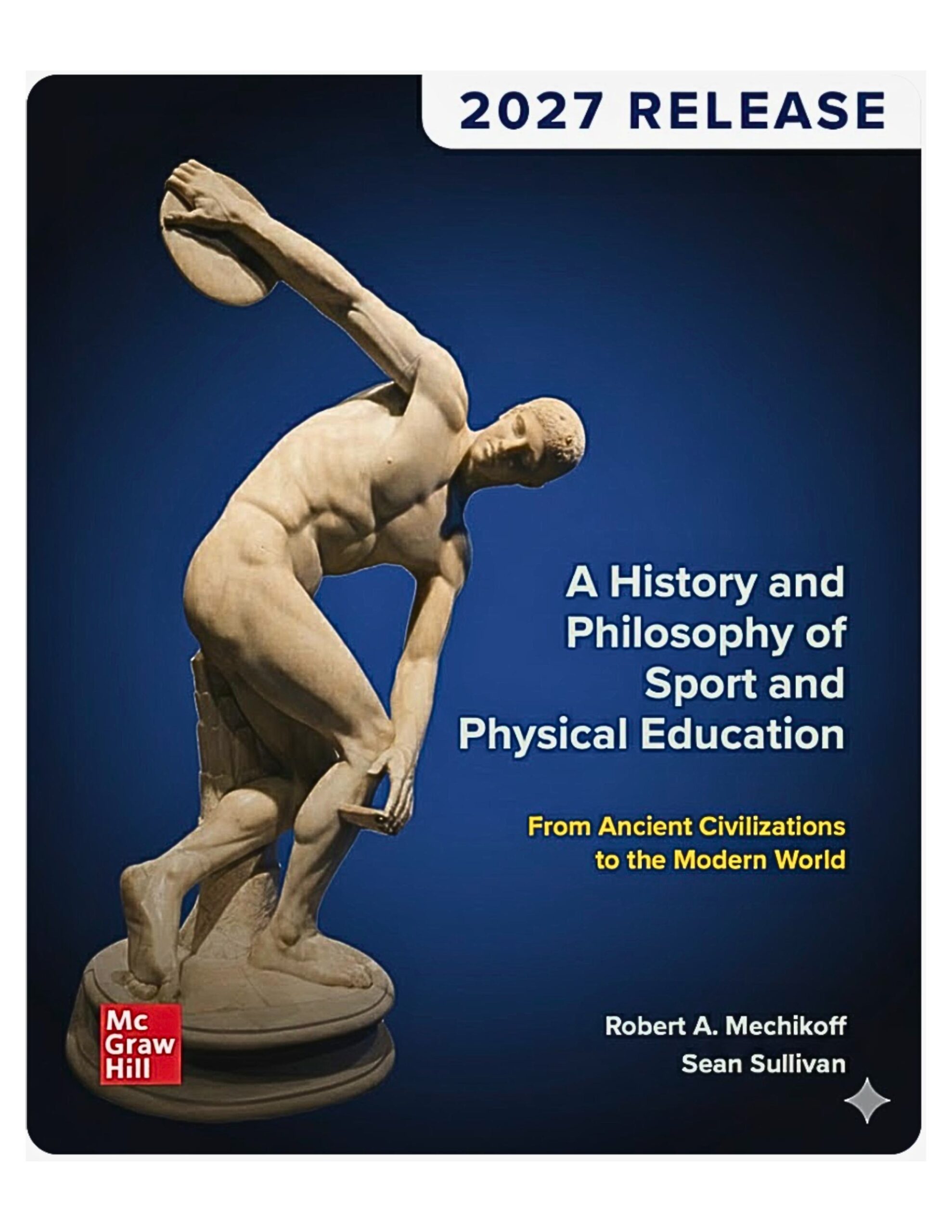
This coming year, Mechikoff, a faculty member in UCLA’s Transformative Coaching and Leadership (TCL) program, will release the ninth edition of his seminal text, A History and Philosophy of Sport and Physical Education. At the same time, the book has been officially translated into Greek, a milestone that connects his life’s work back to the very origins of athletics and philosophical inquiry he’s spent decades examining.
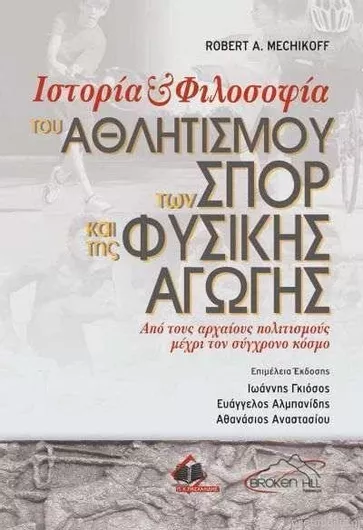
“It is both humbling and deeply meaningful,” Mechikoff says. “Much of the intellectual foundation for sport and physical education begins in ancient Greece. And to see the text translated into that language brings the work closer to its historical roots.”
Now in its ninth edition, Mechikoff’s text continues to serve as a foundational resource for students studying sport history, philosophy, and physical education. Widely adopted by universities across the country, he says its reach has steadily expanded over time.
“It is remarkable to see how many institutions are now using it,” Mechikoff adds. “Over the years, I’ve invited students and teachers to continue the conversation beyond the classroom, and I’ve received thoughtful messages from around the world.”
That level of engagement, he says, has been incredibly gratifying.
In the upcoming edition, the expertise of Cal Baptist University professor and co-author Sean Sullivan offers updated interpretations of key historical periods, from early Christian thought to sports and physical education in Indian Boarding Schools at the turn of the 20th century, the Renaissance and even the modern Olympic Games.
New theoretical frameworks, including the addition of monism (viewing the mind and body as one) to the traditional mind–body discussion, encourage students to think more critically about the philosophical underpinnings of sport. Ethical applications have also been augmented, connecting classical ideas to hot-button contemporary issues such as that of Name, Image, and Likeness (NIL) in collegiate athletics.
Connecting Eras and Audiences
The ninth edition also expands its focus on sport as a site of social and cultural negotiation, with deeper analysis of how underrepresented groups have used athletics to navigate and challenge societal structures.

At the same time, it remains grounded in Mechikoff’s central premise: that sport is shaped by and reflective of the societies in which it exists.
Mechikoff often tells his UCLA students that the goal is to help them understand not only “how sport changes over time, but why those changes occur and what they mean.”
That perspective continues to resonate internationally. The book was positively reviewed recently by the French Open Book Podcast or A Livre Ouvert, underscoring its growing global influence.
“It has been incredibly rewarding to see the work recognized outside the United States,” Mechikoff says. “I hope it contributes to a broader understanding of sport worldwide and helps place UCLA’s Transformative Coaching and Leadership program on the international map.”
Learn more about UCLA’s Transformative Coaching and Leadership Master of Education program.
Support TCL’s mission to contribute to the creation of a more just, equitable and humane society through enlightened and socially conscious coaching and leadership.